
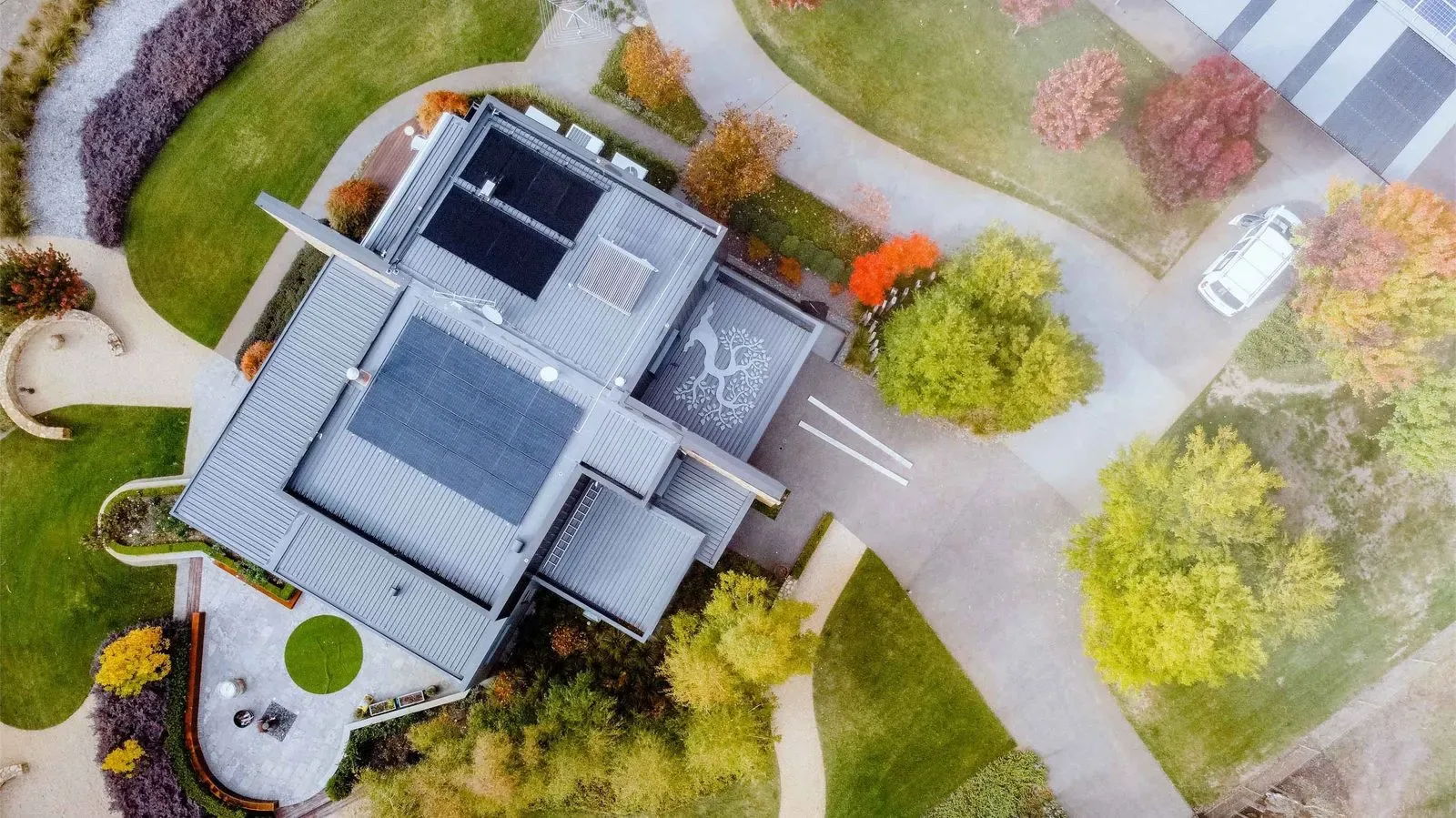
Our residential systems fall into four broad tiers, matched to your actual bill and roof size: a Small Home system (3-6.6kW, suited to a $80-220 monthly bill), a Medium Home system (6.6-10kW, $220-350 bill), a Large Home system (10-20kW, $350-600 bill), and an Acreage/Rural system (20-30kW, $600-900 bill). These are starting points, not fixed boxes — your final size depends on your roof, shading, and single or three-phase supply.
Getting the sizing right
Undersizing is the most common residential mistake. A system sized against last year's bill does not account for a new EV, a pool pump, or ducted air conditioning — all of which push usage up meaningfully. We size against your realistic future usage, not just your current bill, so you are not back for an expensive add-on system a year later. See our residential sizing guide for the full detail, or run your own numbers on our savings calculator.
Real pricing
Our on-grid pricing is fitted from our own completed jobs: $824 per kW of installed PV capacity, plus $429 per kWh if you add a battery. A 6.6kW system, for example, prices out around $5,438 before rebates. STC rebates reduce that upfront cost further — see our rebates & STCs guide for how the scheme works. See our Canberra pricing guide for full worked examples across system sizes.
Adding a battery
Most residential customers ask about a battery at the same time as solar, or shortly after. It is a separate decision with its own payback math — see our battery storage page for sizing and pricing, or our Canberra/Queanbeyan payback guide for real numbers.
Acreage and rural properties
Rural and acreage properties often need a larger system than a suburban home of similar floor area, simply because of pumps, sheds, workshops and outbuildings on the same connection. Longer cable runs and single-to-three-phase upgrades are also more common on these properties. We assess this during your free site inspection so it is priced upfront, not discovered on installation day.
Roof types and orientation
North-facing roofs generate the most across a full day in the southern hemisphere, but east or west-facing roofs are still viable — they shift generation toward the morning or afternoon rather than reducing it dramatically. Tile, tin and colorbond roofs each need different mounting hardware; we confirm your roof type and condition during the site assessment, including whether any repairs are needed before installation, so that is not a surprise partway through the job.
Shading and its effect on output
A single shaded panel in a string can drag down the output of the whole string, not just that one panel, depending on the inverter setup. Trees, chimneys and neighbouring structures all matter here. We assess shading patterns across the day and across seasons, not just a single site visit snapshot, since a tree that is clear in winter can shade a roof significantly in summer or vice versa.
Electrical upgrades that come with the job
Older properties with dated switchboards are the most likely to need extra electrical work — a switchboard or consumer mains upgrade, additional isolators and safety switches under current wiring rules, and in some cases a smart meter upgrade so your retailer can correctly bill for solar export. A newer switchboard on a standard single-phase home often needs little beyond the standard isolators and safety switches. We assess all of this during your free site inspection, so any additional cost sits in your quote upfront rather than showing up as a surprise on installation day.
Our process
- Assessment. We assess your site, energy usage and goals — at no cost, with no obligation.
- Design. A system tailored to your needs and budget, not a generic package.
- Installation. Hassle-free execution by CEC-accredited, licensed installers.
- Maintenance. Ongoing servicing so the system keeps performing for years — see our servicing page.
Why Island Solar
CEC-accredited installers using CEC-approved products, 100+ projects completed across NSW & the ACT, and a 5.0★ rating from real customers — see our reviews page. Our own workmanship warranty covers installation quality separately from manufacturer product warranties, so a wiring issue is not something you would need to chase a manufacturer for.
Ready to talk about your home?
We assess your site and energy usage at no cost, with no obligation.