
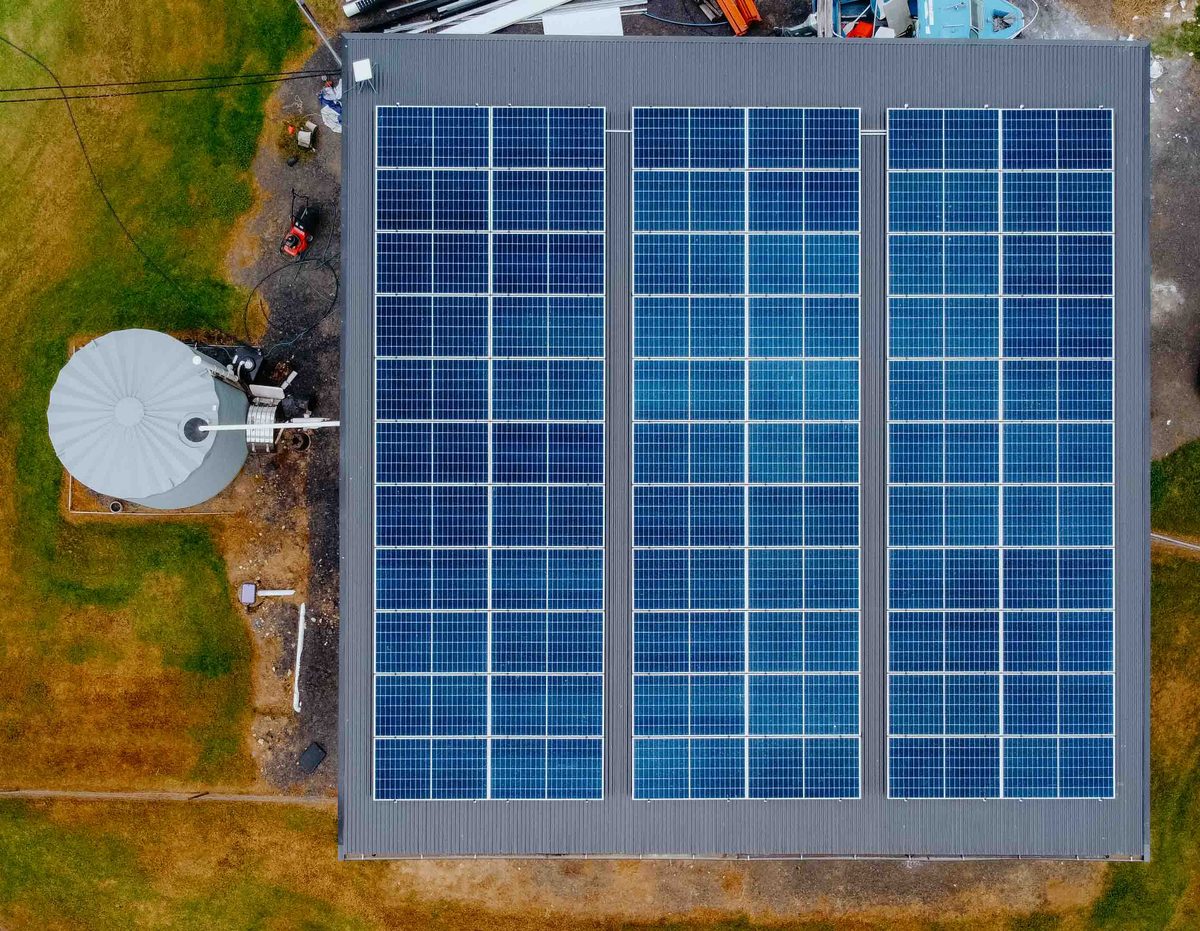
Commercial solar is a different sizing problem to residential solar. Loads are larger, more constant through the day, and three-phase power is standard rather than the exception. Our calculator's Commercial tier starts at 30kW and covers systems up to 100kW, matched to businesses with monthly bills roughly $900 to $3,000 — sized to your real usage, not a generic package.
Why commercial solar often pays back faster
Businesses typically use most of their power during business hours — exactly when solar generates most. That alignment between generation and usage is the core reason commercial solar payback periods often beat residential ones, even before accounting for scale. A well-positioned system in our region generates around 1,350 kWh per kW installed per year, so the bigger your daytime load, the more of that generation you use directly instead of exporting at a low feed-in rate.
Demand charges and how solar affects them
Many commercial electricity plans include a demand charge — a separate cost based on your peak power draw, not just total energy used. Solar reduces your grid draw during generation hours, which can lower your demand charge if your peak usage falls during daylight. A battery goes further, smoothing draw outside generation hours too. We check your actual bill structure before recommending a system size, since demand charges change the payback math in a way flat-rate residential billing does not.
How a commercial quote works
- Load assessment. We review your actual electricity bills and usage pattern, not an assumed profile.
- Site assessment. Roof or ground-mount space, structural capacity, and three-phase connection check.
- System design. Sized to your load and export limits, not a round number.
- Installation. Scheduled to minimise disruption to your operations.
What's different from a residential install
- Three-phase is standard. Almost all commercial sites run three-phase power, which supports larger inverters without hitting single-phase export limits.
- Roof structure varies more. Warehouse and industrial roofs often need a structural assessment before mounting — something we check upfront, not after signing a contract.
- Approvals can take longer. Larger systems sometimes need additional network approval beyond a standard residential connection. We factor this into your project timeline.
- Maintenance matters more at scale. A larger system means more to lose from an undetected fault — see our solar servicing page for ongoing support.
Commercial battery storage
A battery is a separate decision from the solar system itself, and it matters more for businesses with demand charges or operations that cannot tolerate an outage. See our battery storage page for sizing and pricing — the same real numbers apply at commercial scale, just against a larger load.
Who this suits
Commercial solar suits offices, farms, warehouses, retail sites and light industrial premises with a genuine daytime electricity load. It suits owner-occupied buildings most directly, since the payback accrues to whoever pays the electricity bill — for leased premises, this is worth discussing with your landlord before committing, as the arrangement affects who benefits from the system.
Site types we work with
Roof-mount remains the most common commercial installation, covering standard tin, tile and colorbond roofing found across offices and light industrial sites. Ground-mount is an option on rural and larger acreage commercial sites where roof space is limited or structurally unsuitable. We assess which approach fits your site during the initial site assessment, rather than defaulting to one method regardless of what actually suits the property.
Rough sizing by business type
Every site is different, but as a starting reference: a small office or retail premises with a modest daytime load often sits toward the lower end of our 30kW-plus Commercial tier; a larger warehouse, farm or light industrial site with heavier equipment or refrigeration load typically needs closer to the top of the 30-100kW range, sometimes beyond it. These are rough anchors to frame a conversation, not a substitute for the load assessment — two businesses with similar floor space can need very different system sizes depending on what equipment actually runs during the day.
STCs for commercial systems
Commercial systems qualify for the same federal Small-scale Technology Certificate scheme as residential ones, provided the installer is CEC-accredited and the equipment is on the Clean Energy Council's approved products list — both standard on our installs. Larger commercial systems over 100kW move into a different federal scheme (Large-scale Generation Certificates) with its own rules; we confirm which scheme applies to your system size as part of your quote. See our rebates & STCs guide for how the STC scheme itself is calculated.
Want a sizing estimate for your business?
We assess your actual load and site before quoting — not a generic per-kW rate.